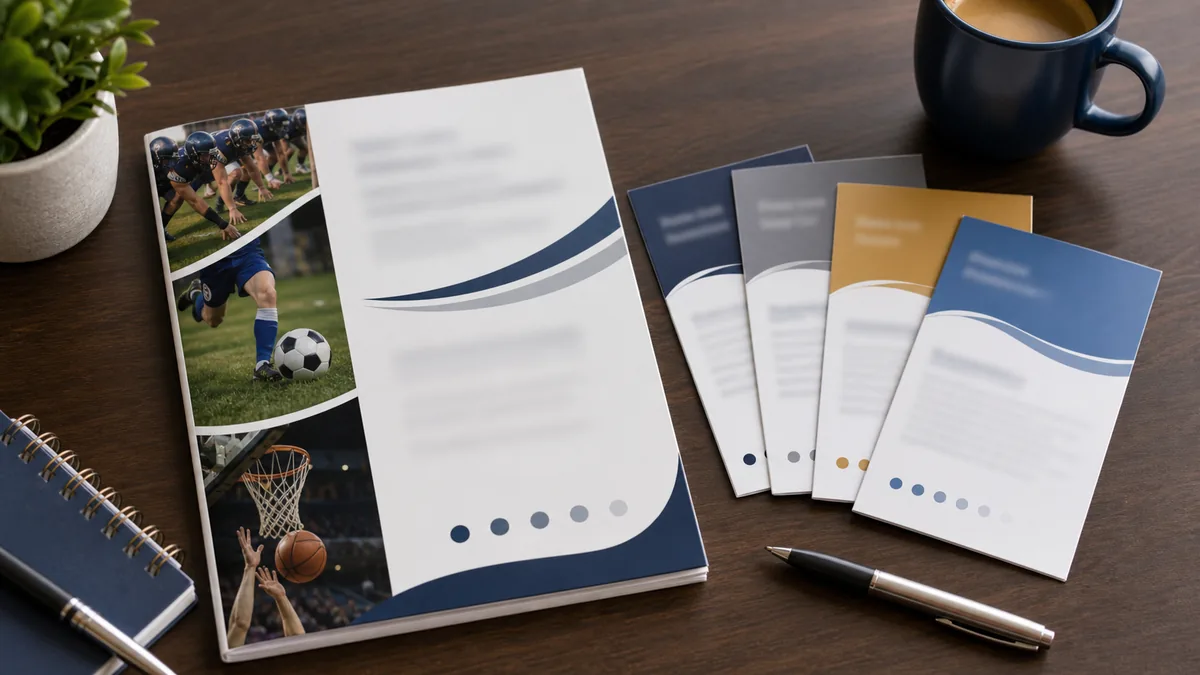
Booster Club Sponsorship Package Examples: 5 Proven Templates That Win Local Sponsors
Most booster clubs lose sponsorship revenue not because local businesses aren't willing to pay, but because the packages they offer don't clearly communicate value. A dentist on Main Street sees a laminated sheet listing "Gold, Silver, Bronze" tiers and has no idea what they're actually buying.
The fix is straightforward: build packages around what sponsors get, not what you need. Below are five real-world package structures that volunteer-run booster clubs have used to grow sponsorship revenue, with concrete pricing, deliverables, and the logic behind each tier.
Why Package Structure Matters More Than Price
According to IEG research, 73% of sponsors renew when they can clearly see measurable outcomes tied to their investment. But when packages list vague benefits like "brand exposure" or "community presence," sponsors have no way to measure return and are far less likely to come back next season.
A good sponsorship package does three things:
- Names a specific deliverable — not "signage" but "24x36 banner on the home-side fence, visible from the bleachers during all 14 home games"
- Ties to a business goal — foot traffic, digital impressions, or direct lead generation
- Makes renewal obvious — the sponsor can point to what they received and decide whether to keep going
If you're building packages for the first time, our sponsorship package template gives you a starting framework you can customize for your sport and market.
Example 1: The Tiered Field-Visibility Package
Best for: Football, soccer, baseball — any sport with a permanent or semi-permanent playing field and predictable home game counts.
Why it works: Each tier adds a visible, countable deliverable. A sponsor at $400 knows exactly what they get. Moving up to $1,000 adds specific extras they can see on game day. The presenting sponsor gets exclusivity and digital reach that smaller tiers don't.
Example 2: The Digital-First Package
Best for: Swim, volleyball, basketball — indoor sports where physical signage space is limited or controlled by the school/facility.
Why it works: When you can't hang banners, digital impressions become the primary value driver. Sponsors who already run Facebook and Instagram ads understand the value of tagged social posts reaching a local parent audience. If your booster club tracks email open rates, share those numbers in your pitch.
Example 3: The Event-Centric Package
Best for: Booster clubs that run major fundraising events — golf tournaments, banquets, silent auctions, fun runs.
Why it works: Event sponsorships have a built-in deadline (the event date), which creates urgency. Title sponsorships are premium because naming rights have tangible prestige value for a local business.
Example 4: The Season-Long Partnership
Best for: Established booster clubs with multi-sport programs looking to lock in annual commitments rather than selling per-season.
Why it works: Annual packages reduce the number of sales conversations your volunteers need to have. One close in August covers the entire school year. This is the model that scales best when you use a sponsorship management platform to track renewals and automate invoicing.
Example 5: The Hybrid Bundle
Best for: Booster clubs that want maximum flexibility — let sponsors mix physical, digital, and event benefits.
Instead of fixed tiers, you offer a base package and let sponsors add modules:
Why it works: Flexibility means sponsors buy only what aligns with their marketing goals. A restaurant might want the banner and event table but skip digital. An insurance agency might go heavy on digital and skip the physical banner. This structure also makes it easy to upsell — "for $300 more, you get the event table too."
Turning Examples Into Your Own Packages
These five structures aren't mutually exclusive. Many booster clubs combine elements — a tiered structure with add-on modules, for example. The key principles across all of them:
- Be specific about deliverables. "Signage" is not a deliverable. "24x48 vinyl banner on the varsity baseball outfield fence for 14 home games" is.
- Price from cost up, not from hope down. Know what it actually costs you to produce each benefit (banner printing, social media time, program design) and price accordingly. Our pricing guide walks through the math.
- Make the pitch about their business, not your budget. "Your logo seen by 500 families every Friday night" lands better than "help us buy new helmets."
- Use a system to track it. Spreadsheets work until you have 10+ sponsors across multiple sports. Then you need a sponsorship tracking tool that handles quotes, agreements, and invoices so your volunteer board isn't drowning in email chains.
Ready to build your own packages? See how SponsorStream helps booster clubs manage the full sponsorship lifecycle — from package creation to invoice collection — without the spreadsheet chaos.
Frequently Asked Questions
What should I include in a booster club sponsorship package?
Include specific, countable deliverables: physical signage with exact dimensions and placement, digital benefits with post counts and audience reach, event access with ticket quantities, and printed program placement. Avoid vague terms like "exposure" or "visibility" — sponsors need to know exactly what they're buying.
How many sponsorship tiers should a booster club offer?
Three to four tiers is the sweet spot for most booster clubs. Fewer than three limits options; more than five creates decision paralysis. A common structure is an entry-level tier ($250-500), a mid-tier ($750-1,500), and a premium or presenting tier ($2,000-5,000).
How do I price sponsorship packages for youth sports?
Start with your costs: banner printing ($50-150), social media management time, program design, and event logistics. Then research what other local organizations charge. Price the bottom tier low enough that any local business can say yes, and the top tier high enough to make a meaningful budget impact. Most high school booster clubs price entry tiers between $200-500 and top tiers between $2,000-5,000.
Should I offer custom sponsorship packages?
Yes, but only above a minimum threshold. Custom packages work well for your largest sponsors ($2,000+) who want tailored benefits. For smaller sponsors, pre-built tiers reduce volunteer workload and make the sales process faster. You can always use a hybrid model with add-on modules.
How do I get sponsors to renew their packages?
The single most effective renewal tactic is sending a season-end impact report showing exactly what they received: banner photo, social media impressions, event attendance, and any direct leads. Sponsors who see measurable results renew at over 70%. Using a sponsorship management tool makes this reporting automatic.