
Sports Sponsorship Packages: How to Create Irresistible Offers That Sell
Creating winning sports sponsorship packages shouldn't feel like solving a complex puzzle with missing pieces. Yet most youth sports organizations struggle to develop packages that attract sponsors while generating meaningful revenue. The challenge isn't just creating attractive offerings—it's building strategic packages that deliver genuine value to both sponsors and your organization.
With sports sponsorship spending expected to reach $89 billion by 2027, local businesses are actively seeking community partnerships that drive real results. However, only 19% of sponsorship professionals feel confident measuring their investment returns, creating an opportunity for organizations that can clearly demonstrate value.
The most successful sponsorship packages solve specific marketing challenges for local businesses while addressing your organization's funding needs. This means moving beyond generic "logo placement" packages to strategic partnerships that create measurable outcomes for sponsors.
This comprehensive guide will walk you through creating sponsorship packages that convert prospects into long-term partners. Whether you're launching your first sponsorship program or refining existing offerings, you'll learn the framework that transforms ordinary packages into irresistible investment opportunities.
Understanding What Makes Sponsorship Packages Irresistible
Before diving into package creation, it's crucial to understand what sponsors actually want from their investment. Most sports organizations make the mistake of focusing on what they need (funding for equipment, travel, facilities) rather than what sponsors need (return on investment, brand exposure, community connection).
Modern sponsors evaluate partnerships based on three core criteria:
- Measurable reach and engagement: How many people will see their brand, and how engaged is that audience?
- Brand alignment: Does the partnership reinforce their company values and target market?
- Activation opportunities: Can they actively engage with your audience beyond passive logo placement?
According to industry research, successful sports sponsorships generate 6-8x return on investment when properly structured. The key is creating packages that allow sponsors to leverage their investment through multiple marketing channels and sustained engagement opportunities.
The most effective packages treat sponsorship as a marketing partnership rather than charitable donation. This mindset shift changes everything about how you structure, price, and present your offerings.
Building Your Sponsorship Foundation: Audience Analysis and Asset Inventory
Creating compelling sponsorship packages starts with understanding two fundamental elements: your audience and your assets. Without this foundation, you're essentially guessing what sponsors will find valuable.
Conducting Comprehensive Audience Analysis
Your audience analysis should go far beyond basic attendance numbers. Sponsors need detailed demographics, psychographics, and engagement patterns to evaluate partnership potential. Gather data on:
- Demographic breakdown: ages, household income, geographic distribution, family composition
- Attendance patterns: game attendance, tournament participation, year-round engagement
- Digital engagement: social media followers, email list size, website traffic, mobile app usage
- Community influence: volunteer participation, local business relationships, word-of-mouth impact
- Spending behaviors: concession purchases, merchandise sales, fundraising participation
This data becomes the foundation for demonstrating value to potential sponsors. SponsorStream HQ's unified CRM automatically tracks many of these metrics, making it easy to generate professional sponsor reports without complex spreadsheets.
Creating Your Comprehensive Asset Inventory
Assets are the tangible benefits you can offer sponsors. Most organizations significantly underestimate their available assets. Consider these categories:
Physical Assets:
- Uniform and equipment branding opportunities
- Facility signage locations (fields, gyms, locker rooms, concession areas)
- Vehicle wraps and equipment displays
- Banner and fence advertising space
Digital Assets:
- Website advertising space and featured listings
- Social media mentions, posts, and story features
- Email newsletter inclusions and dedicated sends
- Mobile app advertising and push notification features
Event Assets:
- Game-day announcements and scoreboard features
- Tournament naming rights and presenting sponsorships
- Awards ceremony involvement and trophy presentations
- Special event hosting and activation space
Access Assets:
- VIP seating and hospitality opportunities
- Behind-the-scenes access and team interactions
- Exclusive networking events and sponsor meet-ups
- First access to additional sponsorship opportunities
Stop Managing Sponsors in Spreadsheet Chaos
Transform your sponsorship program with professional tools designed for volunteer-led organizations. Generate branded packages, track payments, and manage relationships in one simple dashboard.
Start Free Trial - No Credit Card RequiredStrategic Package Development: The Three-Tier Framework
Once you understand your audience and assets, it's time to structure packages that cater to different sponsor needs and budgets. The three-tier approach (Bronze, Silver, Gold) remains effective because it provides clear upgrade paths and allows sponsors to choose their investment level.
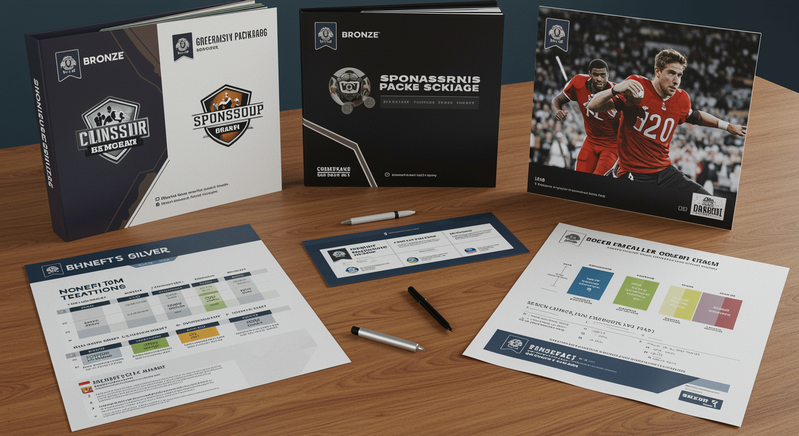
Bronze Level: Community Connection Packages ($500-$1,500)
Bronze packages target local businesses seeking affordable community involvement. These packages focus on consistent, season-long exposure rather than premium placement.
Typical Bronze Benefits:
- Business logo on team website sponsor page
- Social media mention (2-3 posts per season)
- Small banner display at home games
- Inclusion in email newsletter (quarterly mentions)
- Thank you recognition at season-end event
Silver Level: Business Growth Packages ($1,500-$5,000)
Silver packages appeal to established businesses ready for more significant community investment. These packages emphasize brand building and customer acquisition opportunities.
Typical Silver Benefits:
- Logo placement on team uniforms or equipment
- Premium website placement with business description
- Monthly social media features and game-day posts
- PA announcements at all home games
- Promotional table at select tournaments or events
- Discounted advertising in programs and newsletters
Gold Level: Exclusive Partnership Packages ($5,000-$15,000)
Gold packages create true partnerships with businesses seeking maximum community impact and exclusive positioning. These packages offer naming rights, custom activations, and year-round promotion.
Typical Gold Benefits:
- Exclusive industry category sponsorship
- Tournament or event naming rights
- Premium uniform and facility placement
- Custom activation opportunities and hospitality access
- Dedicated email campaigns to supporter database
- First right of renewal and expansion opportunities
Pro Strategy: Always include a custom package option for businesses with unique needs or larger budgets. Many organizations miss significant opportunities by limiting themselves to pre-set tiers. Allow flexibility while maintaining package value integrity.
Value-Based Pricing: Moving Beyond Cost-Plus Calculations
Traditional sponsorship pricing often relies on simple cost-plus formulas (expenses + desired profit margin), but this approach leaves money on the table and fails to demonstrate genuine value to sponsors. Value-based pricing considers what sponsors receive in return for their investment.
The ROI Calculation Framework
Help sponsors understand their potential return by calculating the equivalent value of your package benefits. Industry research shows that sponsors typically seek 3-5x return on their sponsorship investment.
Example Value Calculation:
Silver Package - $3,000 Investment:
- Website placement: $200/month equivalent × 12 months = $2,400
- Social media promotion: $150/post × 12 posts = $1,800
- PA announcements: $50/game × 15 games = $750
- Email newsletter mentions: $300/campaign × 4 campaigns = $1,200
- Event table space: $200/event × 3 events = $600
Total Equivalent Value: $6,750 (2.25x return)
This calculation demonstrates clear value while ensuring your pricing remains competitive. Remember that value isn't just about equivalent advertising costs—consider the quality of audience engagement and the exclusivity of access your organization provides.
Market Research and Competitive Analysis
Research what similar organizations in your area charge for comparable packages. Look at:
- Other youth sports organizations of similar size
- Local event sponsorship opportunities
- Community festival and fundraising event packages
- Chamber of Commerce and business networking investments
Your packages should be competitively priced while reflecting your unique value proposition. If your organization offers superior audience engagement or community reach, premium pricing is justified.
Creating Professional Package Presentations
Even the best sponsorship packages won't sell themselves if they're presented poorly. Professional presentation materials demonstrate organizational credibility and help sponsors visualize their partnership benefits.
Essential Elements of Winning Proposals
Executive Summary: One-page overview highlighting your organization's impact, audience reach, and partnership opportunities.
Organization Story: Brief history, mission, values, and community impact. Include photos that showcase your programs and participants.
Audience Demographics: Detailed breakdown of your supporter base with relevant statistics and engagement metrics.
Package Options: Clear presentation of each tier with specific benefits, duration, and investment levels.
Success Stories: Testimonials from existing sponsors and examples of successful partnerships.
Next Steps: Simple contact information and clear calls-to-action for interested prospects.
Time-Saving Tip: SponsorStream HQ generates professional proposal PDFs in seconds using your organization's branding and current sponsor data. No design software or complex formatting required.
Visual Design and Branding Consistency
Your sponsorship materials should reflect the same professional standards you expect from sponsors' marketing materials. Consistent branding, high-quality photos, and clean layout design communicate organizational competence.
Include mockups showing how sponsor logos will appear on uniforms, signage, and digital materials. Visual representation helps sponsors understand exactly what they're receiving.
Measuring and Demonstrating Sponsor ROI
Creating packages is only half the battle—proving their value ensures sponsor retention and referrals. Measuring and communicating ROI transforms one-time sponsors into long-term partners.
Key Metrics to Track
Establish baseline measurements before sponsors begin their partnership, then track improvements throughout the sponsorship period:
- Brand Exposure Metrics: Social media impressions, website page views, event attendance, media mentions
- Engagement Metrics: Social media interactions, email click-through rates, booth traffic at events
- Conversion Metrics: New customer inquiries, sales attribution, lead generation from sponsorship activities
- Relationship Metrics: Brand awareness surveys, community sentiment analysis, sponsor satisfaction scores
Reporting Best Practice: Provide sponsors with quarterly update reports showing their exposure metrics, highlighting successful activations, and suggesting optimization opportunities for the remainder of their sponsorship.
Creating Sponsor Success Stories
Document and share success stories from your sponsorship program. These case studies become powerful sales tools for attracting new sponsors and justify premium pricing for your packages.
Include specific metrics, quotes from satisfied sponsors, and photos of successful activations. Success stories prove your packages deliver results beyond basic logo exposure.
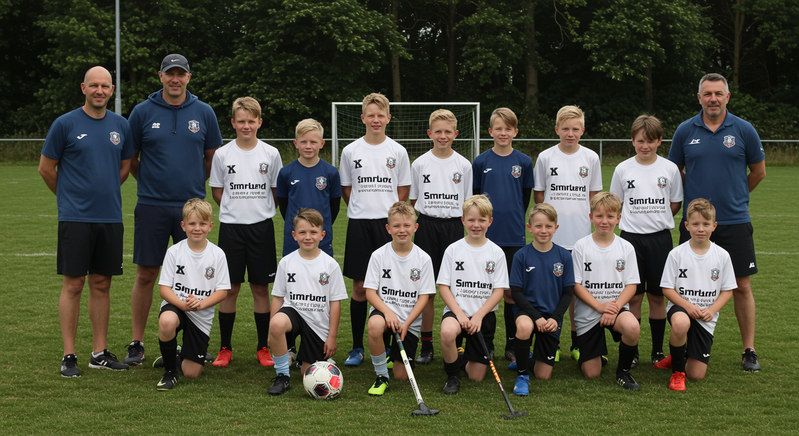
Implementation Strategy: From Package Creation to Sales Success
Having great packages means nothing without an effective implementation strategy. Success requires systematic prospecting, relationship building, and professional follow-through.
Prospect Identification and Research
Identify potential sponsors by analyzing your community and audience data:
- Businesses where your families shop and spend money
- Companies that align with youth sports values (fitness, teamwork, health, education)
- Organizations seeking community involvement and positive brand association
- Businesses in complementary industries (sports medicine, nutrition, equipment, apparel)
- Professional services targeting family demographics (insurance, real estate, financial services)
Research each prospect's current marketing activities, community involvement, and business objectives. Tailor your approach based on their specific needs and goals.
Outreach and Relationship Building
Effective sponsorship sales focus on building relationships rather than making transactions. Your outreach strategy should include:
- Personal introductions: Leverage existing connections through board members, parents, and community leaders
- Value-first approach: Lead with how you can help their business rather than asking for money
- Multiple touchpoints: Use email, phone calls, in-person meetings, and social media to build familiarity
- Professional follow-up: Maintain consistent communication and provide requested information promptly
Negotiation and Contract Management
Be prepared to customize packages based on sponsor feedback and budget constraints. Successful negotiations focus on creating win-win partnerships rather than rigid adherence to preset packages.
Consider these negotiation strategies:
- Offer multi-year discounts for sponsors willing to commit to longer partnerships
- Create custom packages combining elements from different tiers
- Accept in-kind donations (equipment, services) as partial payment
- Provide upgrade opportunities as sponsors see results from their investment

Avoiding Common Package Development Mistakes
Learn from common pitfalls that prevent sports organizations from achieving sponsorship success:
Mistake 1: Generic, One-Size-Fits-All Packages
Generic packages fail to address specific sponsor needs and goals. Customize your approach based on business type, budget, and marketing objectives. A restaurant's sponsorship needs differ significantly from a healthcare provider's needs.
Mistake 2: Undervaluing Your Assets
Many organizations price packages based on their own financial needs rather than the value they provide to sponsors. Research market rates for similar promotional opportunities and price accordingly.
Mistake 3: Focusing Only on Logo Placement
Modern sponsors seek engagement opportunities beyond passive logo exposure. Include activation options, community involvement opportunities, and ways sponsors can interact with your audience.
Mistake 4: Poor Documentation and Follow-Through
Informal agreements and inconsistent delivery damage sponsor relationships and prevent renewals. Use professional contracts and deliver exactly what you promise.
Success Accelerator: Organizations using dedicated sponsorship management software like SponsorStream HQ report 40% higher sponsor retention rates compared to those managing partnerships manually. Professional systems ensure consistent delivery and communication.
Advanced Package Strategies for Maximizing Revenue
Once your basic sponsorship program is established, consider these advanced strategies for increasing revenue and sponsor satisfaction:
Category Exclusivity and Premium Positioning
Offer exclusive industry category sponsorships at premium pricing. For example, only one automotive dealership, one restaurant, one healthcare provider can sponsor at the Gold level. Exclusivity increases perceived value and allows for higher pricing.
Event-Specific and Seasonal Packages
Develop specialized packages for tournaments, championship games, awards banquets, and off-season activities. These additional opportunities provide revenue beyond basic season sponsorships.
Digital-First Package Options
Create packages specifically designed for sponsors prioritizing digital engagement. Include email marketing campaigns, social media takeovers, website features, and online community access.
Sponsor Upgrade Pathways
Design clear pathways for sponsors to increase their investment based on positive results. Many successful programs see sponsors naturally progress from Bronze to Silver to Gold over multiple seasons.
Frequently Asked Questions About Sports Sponsorship Packages
How many sponsors should we target for each package level?
This depends on your audience size and community market. Generally, aim for 3-5 Bronze sponsors, 2-3 Silver sponsors, and 1-2 Gold sponsors to start. As your program grows, you can expand capacity while maintaining exclusivity value.
Should we require multi-year commitments from sponsors?
Offer incentives for multi-year commitments (5-10% discounts) but don't require them initially. Let sponsors experience success in year one, then negotiate longer terms for renewals.
How do we handle sponsors who want to negotiate package terms?
Flexibility in package customization often leads to larger sponsorship investments. Be willing to adjust benefit mixes while maintaining overall package value. The key is ensuring all sponsors receive equivalent value for their investment level.
Ready to Transform Your Sponsorship Program?
Stop losing potential sponsors to spreadsheet chaos and unprofessional presentations. SponsorStream HQ provides everything you need to create, manage, and grow successful sponsor relationships.
- ✓ Professional package generation in seconds
- ✓ Sponsor CRM that tracks every interaction
- ✓ Automated payment processing and reminders
- ✓ Built for volunteer-led organizations with limited time
Conclusion: Building Sustainable Sponsorship Success
Creating irresistible sports sponsorship packages requires strategic thinking, professional presentation, and consistent execution. The most successful programs focus on building genuine partnerships that deliver measurable value to sponsors while sustainably funding their organization's mission.
Remember that sponsorship package development is an iterative process. Start with solid foundations—clear audience data, comprehensive asset inventory, and value-based pricing—then refine your approach based on sponsor feedback and results.
The youth sports sponsorship market continues growing as businesses recognize the value of community involvement and authentic brand connections. Organizations that invest time in creating professional, value-driven packages position themselves to capture a larger share of available sponsorship dollars.
Your sponsorship program's success ultimately depends on your ability to demonstrate clear value to business partners while maintaining the professional standards they expect from marketing investments. With the right packages and systematic approach, sponsorship can become a reliable revenue stream that supports your organization's goals for years to come.