How to Get Sports Sponsorships: A Complete Guide for Youth Sports Organizations
The sports sponsorship market has reached unprecedented heights, with PwC projecting the global market will hit $115 billion in 2025, growing at 8.7% annually. For youth sports organizations, this represents massive untapped opportunity—but only for those who approach sponsorship systematically and professionally.
While most booster clubs and youth leagues chase sponsors haphazardly through scattered spreadsheets and generic email blasts, successful organizations follow proven frameworks that turn sponsorship acquisition into a predictable revenue stream. This comprehensive guide reveals the 6-phase system that transforms volunteer-led organizations into sponsorship powerhouses.
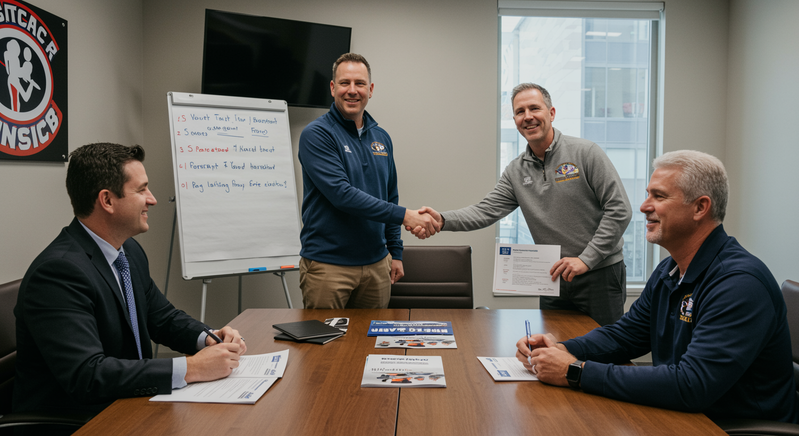
The Professional Edge: Organizations using systematic sponsorship management see 3x higher sponsor retention rates and generate 40% more revenue per sponsor compared to those using informal approaches. The difference lies in treating sponsorship as professional business development, not casual fundraising.
Why Traditional Sponsorship Approaches Fail
Most youth sports organizations struggle with sponsorship because they approach it as fundraising rather than business partnership development. Common failures include:
- Scattered contact management across emails, texts, and paper notes
- Generic proposals that fail to demonstrate specific value
- Inconsistent follow-up leading to missed opportunities
- No renewal strategy causing annual sponsor churn
- Lack of ROI measurement preventing relationship growth
Professional organizations solve these challenges through systematic processes and proper tools. While others lose sponsors to Excel chaos, smart booster clubs use platforms like SponsorStream HQ to maintain organized sponsor relationships and generate professional documents in seconds—not hours.
The 6-Phase Sponsorship Acquisition System
This proven framework transforms sponsorship from guesswork into predictable business development:
Phase 1: Strategic Foundation & Market Research
Before reaching out to anyone, establish your sponsorship foundation:
Organization Audit & Value Proposition Development
- Audience Analysis: Document your reach (players, families, community events)
- Engagement Metrics: Track social media, event attendance, newsletter subscribers
- Unique Value: Identify what makes your organization special (championship teams, community service, demographics)
- Sponsorship Inventory: List all available opportunities (jerseys, banners, events, digital promotion)
Create detailed sponsor personas by researching local businesses that align with youth sports values. Focus on companies with:
- Strong community ties and local customer base
- Marketing budgets allocated for local advertising
- Alignment with family-friendly values
- Previous history supporting youth activities
Phase 2: Professional Proposal Development
Transform generic sponsorship requests into compelling business propositions:
Partnership Strategy: Position your organization as a marketing partner, not a charity case. Focus on ROI and community reach rather than need-based appeals. Companies invest in partnerships that advance their business objectives.
Structure every proposal with these essential elements:
- Executive Summary: One-page overview of partnership opportunity
- Organization Overview: Professional description with key statistics
- Sponsorship Tiers: Multiple options with clear benefit levels
- Marketing Reach: Specific audience demographics and engagement data
- Success Stories: Examples from current or past sponsors
- Call to Action: Clear next steps and contact information
While most organizations spend hours wrestling with Word documents and design software, tools like SponsorStream HQ generate professional proposals and price sheets in under 60 seconds—letting volunteers focus on relationship building instead of administrative tasks.
Phase 3: Strategic Outreach & Relationship Building
Replace mass email blasts with targeted, personal outreach:
The Three-Touch Approach
- Research Touch: Study the business, find connections, identify decision-makers
- Value Touch: Initial contact focusing on business value and community impact
- Partnership Touch: Follow-up with specific proposal and meeting request
Start with warm connections—parent employers, local business owners with children in sports, and companies already supporting community activities. According to recent data from Statista, the sports sponsorship market exceeded $100 billion in 2023, indicating massive opportunity for organizations that approach it professionally.

Phase 4: Professional Presentation & Negotiation
When sponsors show interest, convert meetings into partnerships:
- Championship Tier ($5,000+): Logo on all team materials, event naming rights, premium game tickets
- All-Star Tier ($2,500-$4,999): Team banner sponsorship, website placement, social media features
- Varsity Tier ($1,000-$2,499): Program book ads, email newsletter inclusion, thank-you recognition
- Rookie Tier ($500-$999): Team supporters, basic program listing, volunteer appreciation
Always present multiple options to give sponsors choice and upgrade paths. Professional organizations track these conversations and follow up systematically—not through scattered notes that get lost.
Phase 5: Contract Management & Delivery
Successful sponsorship doesn't end at the signature. Ensure sponsor satisfaction through:
- Clear Agreements: Written contracts specifying all deliverables and timelines
- Branded Materials: Professional execution of all sponsored elements
- Regular Updates: Progress reports with photos and engagement metrics
- Exceed Expectations: Deliver bonus value where possible
Organizations struggle with delivery tracking when using informal systems. Professional platforms maintain detailed records of commitments and automate reminder systems to ensure nothing falls through the cracks.
Phase 6: Relationship Nurturing & Renewal
The most profitable phase of sponsorship is retention. Implement systematic relationship management:
Sponsor Retention Strategy
- Quarterly Check-ins: Proactive communication about partnership impact
- Recognition Programs: Public appreciation events and social media features
- Early Renewals: Begin renewal conversations 60-90 days before expiration
- Upgrade Opportunities: Present expanded partnership options for satisfied sponsors
Data shows that retaining existing sponsors costs 5x less than acquiring new ones, yet most organizations focus exclusively on acquisition because they lack systems for relationship management.
Stop Losing Sponsors to Spreadsheet Chaos
While other organizations struggle with scattered contacts and manual paperwork, SponsorStream HQ users manage everything in one professional dashboard. Generate price sheets in seconds, track every sponsor interaction, and automate renewal reminders—all for less than the cost of losing a single sponsor to poor follow-up.
Start Free - No Credit Card RequiredCommon Sponsorship Mistakes That Cost Thousands
Even well-intentioned organizations make costly errors that kill long-term sponsorship success:
The "Spray and Pray" Approach
Sending identical emails to hundreds of businesses yields poor results and damages your organization's reputation. Quality trumps quantity—10 targeted, researched approaches outperform 100 generic blasts.
Undervaluing Your Assets
Many youth sports organizations drastically undervalue their sponsorship opportunities. Research comparable organizations and price competitively based on your unique reach and community impact.
No Follow-Up System
A single contact attempt converts less than 5% of prospects. Systematic follow-up increases conversion rates by 400%. Organizations without proper CRM systems lose hundreds of potential partnerships annually.
Ignoring Existing Sponsor Growth
Most organizations treat sponsors as single-year transactions rather than growing partnerships. The biggest revenue opportunities come from expanding successful relationships, not constantly seeking new ones.
Partnership Strategy: Successful organizations view sponsors as long-term business partners, not one-time donors. This mindset shift transforms both approach and results, creating sustainable revenue streams instead of annual scrambles.
Target Sponsor Categories for Maximum Success
Different business types require different approaches. Prioritize your outreach based on sponsorship probability:
Tier 1: High-Probability Local Businesses
- Youth-Focused Services: Tutoring centers, youth dentistry, pediatric practices
- Family Restaurants: Pizza shops, ice cream stores, family dining establishments
- Auto Services: Car dealerships, repair shops, oil change centers (family decision-makers)
- Real Estate: Agents and firms serving family neighborhoods
Tier 2: Community-Connected Businesses
- Financial Services: Banks, credit unions, insurance agencies
- Healthcare: Hospitals, urgent care, physical therapy
- Home Services: Contractors, landscapers, home improvement stores
- Professional Services: Law firms, accounting firms, consultancies
Tier 3: Regional and National Opportunities
- Sporting Goods: Dick's Sporting Goods, local sports retailers
- Youth Programs: Martial arts studios, music schools, tutoring franchises
- Corporate Responsibility: Larger corporations with community giving programs
Remember to leverage government and foundation grants as well. Resources like Grants.gov provide access to federal funding opportunities for youth sports programs, while many states offer specific youth athletics grants.

Building Your Sponsorship Technology Stack
Modern sponsorship success requires the right tools. Organizations stuck in spreadsheet chaos lose sponsors to poor follow-up and unprofessional presentation, while those using proper systems create sustainable revenue streams.
Essential Technology Components
- Contact Management: Centralized database for all sponsor information and interaction history
- Document Generation: Professional proposals, contracts, and invoices created quickly
- Communication Tools: Email templates, reminder systems, and follow-up automation
- Financial Tracking: Payment processing, revenue reporting, and renewal management
While complex CRM systems overwhelm volunteer leaders, purpose-built solutions like SponsorStream HQ provide exactly what youth sports organizations need: simple sponsor management that works for treasurers who have 2 hours a week, not a full-time staff.
Measuring Sponsorship ROI and Success
Professional sponsorship programs require metrics to demonstrate value to sponsors and guide internal decisions:
Key Performance Indicators
- Sponsor Retention Rate: Percentage of sponsors who renew annually
- Average Sponsor Value: Total revenue divided by number of sponsors
- Acquisition Cost: Time and resources spent per new sponsor
- Portfolio Growth: Year-over-year increase in total sponsorship revenue
- Engagement Metrics: Reach and interaction data to demonstrate sponsor value
Organizations tracking these metrics can demonstrate ROI to current sponsors while identifying opportunities for improvement. Most importantly, data-driven approaches enable consistent growth rather than unpredictable annual results.
Creating Long-Term Sponsorship Success
Sustainable sponsorship programs focus on relationship building, not transactional fundraising. Success requires:
Consistent Communication
Regular updates keep your organization top-of-mind with sponsors. Share success stories, team achievements, and community impact through newsletters, social media, and personal outreach.
Professional Execution
Every interaction reflects your organization's credibility. From initial proposals to event execution, maintain professional standards that justify continued investment.
Strategic Growth Planning
Map out multi-year sponsorship goals with specific targets for new acquisition, retention rates, and average sponsor value. Organizations with clear plans outperform those operating reactively.
Ready to Transform Your Sponsorship Results?
Stop losing revenue to spreadsheet chaos and unprofessional presentation. SponsorStream HQ provides everything youth sports organizations need: unified sponsor CRM, professional document generation, and automated follow-up—all designed for volunteers with limited time.
Start Free TodayFrequently Asked Questions
How much should we charge for sponsorships?
Pricing depends on your reach, demographics, and local market. Start by researching comparable organizations and pricing competitively. Consider your unique value—championship teams, specific demographics, or special events may justify premium pricing. Most successful programs offer multiple tiers from $500-$5,000+ to accommodate different business budgets.
When should we start seeking sponsors for next season?
Begin sponsorship outreach 3-4 months before you need the funding. This allows time for relationship building, decision-making processes, and proper contract execution. Many businesses set marketing budgets annually, so early contact improves your chances of being included in their planning.
How do we handle sponsor renewals?
Start renewal conversations 60-90 days before current agreements expire. Provide data on partnership performance, share success stories, and present options for continued or expanded involvement. Organizations with systematic renewal processes achieve 70%+ retention rates compared to less than 30% for those using informal approaches.